You’ve likely seen the cheap, prefabricated kits at local big-box stores, the ones that visibly groan under heavy winter snows. Comparing those mass-produced units to an Amish garage is like comparing a disposable fast-fashion shirt to a meticulously tailored suit. According to modern structural standards, this massive difference in quality stems entirely from intentional, manual precision.
This “heritage-to-hardware” construction philosophy means honoring the cultural tradition behind the builder to fully understand the final structure. In the ongoing debate of Old World craftsmanship vs modern manufacturing, hands practicing the same joinery techniques for three centuries consistently win. Industry data reveals that traditional interlocking joints prevent the structural sagging over 20-plus years that commonly ruins retail models facing severe wind loads.
Navigating the logistics of hiring authentic Amish garage builders often leaves homeowners confused about municipal zoning and permits. Pleasant Run Structures acts as the ideal intermediary, translating traditional blueprints into legally sound, permit-ready projects. They perfectly bridge the gap between historic, handcrafted durability and modern neighborhood regulations.
Stick-Built vs. Prefabricated: Which Delivery Method Suits Your Property?
Deciding how your garage arrives is just as important as choosing the design. Comparing stick-built vs prefabricated delivery methods ultimately comes down to your property’s layout. Because they arrive almost fully assembled, Amish prefab garages offer the fastest turnaround time. Crews typically maneuver these heavy structures using a “Mule”—a small, highly agile forklift system that carefully drives the building into its final spot without tearing up your lawn.
Guiding a completed structure across your property still requires significant space. Before choosing a modular drop-off, ensure your yard meets these three site access requirements:
- Clearance height: You need 14 feet of vertical clearance to avoid power lines and branches, plus a minimum of two feet of side clearance.
- Turn radius: The delivery trailer and Mule require wide, sweeping angles to navigate around corners.
- Ground stability: Firm, dry soil is mandatory so the heavy delivery equipment doesn’t sink or shift.
If narrow gates, steep hills, or mature trees make delivery impossible, having Amish garages built on site is the necessary alternative. This manual approach takes slightly longer, but crews assemble the raw lumber directly in your backyard, easily bypassing tight suburban lot lines. Whether your building is dropped off by a Mule or framed locally, its longevity depends entirely on the foundation and framing supporting it.
The Anatomy of Durability: Why Pressure-Treated Foundations and 16-Inch Framing Matter
Every structure fights a silent battle against the damp earth. To win, Amish craftsmen rely on the benefits of pressure-treated lumber foundations as a first defense against ground rot. Rather than resting raw wood directly on the soil, they use chemically treated runners. These thick timbers physically elevate the structure, allowing crucial airflow while blocking the ground moisture that causes sagging sills and rotting floorboards.
Moving up from the foundation, true durability depends entirely on what stands behind the walls. While mass-produced shed kits often space wall studs 24 inches apart to cut costs, traditional builders utilize “16-inch on-center” framing. Placing these 2x4s closer together guarantees robust post-frame building structural integrity, ensuring the skeleton effortlessly handles severe snow loads and high winds. This tighter spacing means the core strength comes from the solid wooden frame itself, rather than relying on the decorative outer siding to hold the building upright.
To cap off this rugged framework, sealing the roof is the final structural necessity. Builders install high-quality asphalt shingle roofing options to create a watertight barrier, protecting your vehicles and tools from overhead leaks. Because the internal skeleton and exterior shell are over-engineered, you are left with a secure canvas ready for upgrades. Knowing the bones of your building will last for decades, you can confidently begin customizing your workspace: from board and batten siding to two-story lofts.
Customizing Your Workspace: From Board and Batten Siding to Two-Story Lofts
Securing the rugged framework opens the door to exciting handcrafted wood building customization options. A popular choice is traditional board and batten siding—a technique sealing wide vertical planks with narrow wooden strips called battens. This historical method delivers striking curb appeal while allowing the wood to naturally expand and contract through changing climates, preventing weather-induced cracking. Strategic placement of custom windows through this durable exterior ensures your workspace is flooded with practical, natural light.
Maximizing your yard’s available footprint requires thinking vertically. Rather than pouring a wider, expensive concrete pad to gain extra square footage, smart buyers explore two-story garage loft conversion ideas. Engineering the roof trusses to support a sturdy overhead deck effectively doubles your usable area without expanding the foundation. This elevated zone is perfect for storing bulky seasonal items or protecting off-season landscaping equipment without sacrificing the main vehicle parking bay below.
Pushing this vertical strategy even further, ambitious homeowners often design a fully functional Amish-built garage with an apartment. Transforming that upper loft into a finished living space or dedicated home office adds incredible property value, though it introduces new local zoning considerations. Moving from these custom blueprints to actual construction requires aligning traditional craftsmanship with modern local codes and thorough site preparation.
Navigating the ‘Non-Electric’ Build: Site Prep, Permits, and the Bridge Communication Method
Sourcing authentic Amish-built garages locally often brings up a modern logistical question: how do you coordinate a complex build with craftsmen who don’t use smartphones or email? The solution is the “Communication Bridge.” Liaisons, like Pleasant Run Structures, handle the digital heavy lifting. They take the traditional builder’s hand-drawn blueprints and work with third-party engineers to translate them into the modern, stamped plans required to satisfy local zoning laws for detached buildings. This vital step ensures the structural integrity of centuries-old woodworking is legally recognized by your local permit office.
Once the paperwork clears, establishing a solid foundation is the next critical phase. To properly prepare your site for a prefab structure delivery, you must protect the base timbers from ground moisture by following this four-step preparation sequence:
- Finalize your local permitting to confirm exact property line setbacks.
- Clear the designated footprint of all vegetation, topsoil, and debris.
- Grade the underlying dirt so the entire area is perfectly level.
- Install a “Level-1” foundation by packing a 4-to-6 inch deep crushed stone gravel pad.
Using a compacted gravel pad foundation provides excellent drainage for the building’s wooden base while keeping initial preparation expenses remarkably low. With the communication bridged and the site perfectly leveled for delivery, the long-term financial advantages of this traditional construction method become undeniable.
Calculating Total Cost of Ownership: Why Handcrafted Quality Saves $5,000 Over Ten Years
Looking at the upfront price tag of a mass-produced structure can be highly deceiving. While a fast-tracked big-box kit may cost $10,000, an Amish-built one runs about $12,000.
But the total cost of owning a detached garage can be very different. That cheaper, fast-fashion kit often relies on flimsy materials that buckle under heavy snow, typically requiring a full replacement within ten years, whereas a traditionally crafted timber structure easily survives three decades.
Beyond just avoiding future replacement costs, these authentic builds actively work as high-yield investments for your property. Appraisers and buyers value the strong appeal of the “handcrafted” label. It often raises your home’s resale value well above the 15% premium you paid. Implementing smart weatherproofing strategies for outdoor workshops, like ensuring robust roof overhangs and tight board-and-batten joints—further protects that investment by keeping out damaging moisture during harsh seasons.
Preserving this premium value only requires a small, predictable commitment from you as the homeowner. You must adopt a reliable two-year maintenance cycle, regularly reapplying water-repellent stains for maintaining wooden exterior siding longevity and preventing hidden rot. By staying ahead of this minor upkeep, you effectively secure your property’s value for the long term.
Securing Your Investment: Three Steps to Starting Your Amish Garage Project
You are an informed buyer who understands the massive gap between a flimsy, mass-produced shed and a true legacy structure. You now know exactly how a dedicated Amish garage builder crafts a highly durable environment to protect your high-value assets, whether that means a classic car or a heavy-duty workshop. This isn’t just about gaining extra storage—it is a permanent investment in your property’s lasting curb appeal.
To start planning your build and secure your property’s new addition, consider these practical next steps:
- Check the ground: Assess your property for levelness using a simple string-level test.
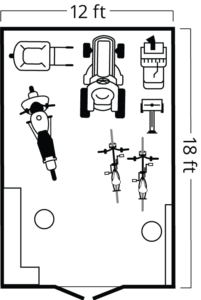
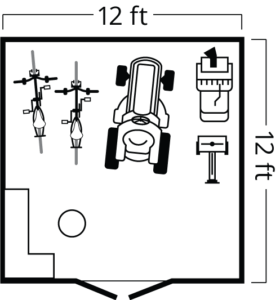
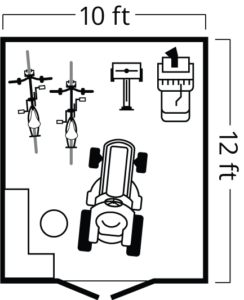
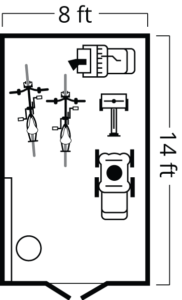
- Find your fit: Review custom modular garage floor plans that accommodate your exact footprint.
- Take action: Contact Pleasant Run Structures to request an accurate quote on their premium Amish-built garages for sale.
Pleasant Run Structures focuses on creating solutions that blend thoughtful design, lasting durability, and long-term value. We aim to help you build a space that not only looks impressive but also serves your needs day in and day out.


 Great For Yards
 Great For Yards
 Great For Yards
 Great For Yards