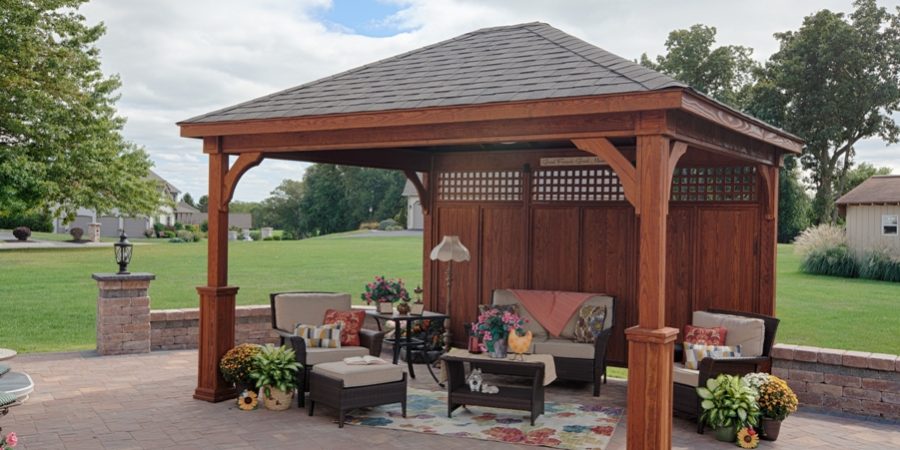
Building Your Dream Amish Country Gazebo with Pleasant Run Structures
Imagine your backyard on a Saturday evening, relaxing in the shade of a permanent sanctuary rather than retreating indoors. Unfortunately, many homeowners fall into the “cheap gazebo” trap, buying mass-produced kits from big-box retailers that deteriorate or blow away after just two seasons.
In practice, authentic Amish country gazebos offer a stark contrast to those temporary outdoor structures. According to the custom builders at Pleasant Run Structures, traditional Lancaster County woodworking techniques rely on thick, hand-selected lumber and hidden fasteners to create a flawless, weather-resistant aesthetic.
Beyond creating a beautiful outdoor living room, this high level of craftsmanship transforms a simple yard upgrade into a lifetime financial asset. Industry data confirms that installing a sturdy, permanent architectural fixture is an excellent strategy for adding property value while elevating your daily lifestyle.
Choosing Your Shell: Pressure-Treated Pine vs. Maintenance-Free Vinyl
A classic wooden amish country gazebo brings rustic charm to your backyard, but exposed natural materials require ongoing commitment. By using hand-selected pressure-treated pine, wood deeply infused with preservatives to fight rot, builders prevent the structural twisting that often ruins cheaper kits. However, a true pressure-treated pine vs. vinyl gazebo comparison ultimately comes down to calculating your expected 10-year upkeep budget.
For yards facing harsh afternoon sun or high humidity, low-maintenance vinyl outdoor enclosures provide a permanent, hassle-free solution. They utilize UV-resistant vinyl cladding, which is essentially a sun-proof plastic sleeve fitted tightly over a solid wood core. These long-term maintenance realities impact the choice:
- Wood: Demands washing, sanding, and restaining every few seasons to prevent decay.
- Vinyl: Requires only a quick seasonal rinse with a garden hose.
Your final decision depends on matching aesthetic preferences to your lifestyle limits. Yet, regardless of which shell protects your Amish gazebo, the underlying strength remains identical. These heavy structures survive decades of severe storms due to a distinct anatomy of quality: mortise and tenon joinery inherently outlasts metal brackets.
The Anatomy of Quality: Why Mortise and Tenon Joinery Outlasts Metal Brackets
Instead of relying on flimsy metal brackets, traditional Amish builders use an interlocking technique that functions like a structural puzzle. Handcrafted mortise and tenon joinery involves inserting a carved wooden peg (the tenon) directly into a matching, tightly fitted hole (the mortise). By connecting the framing strictly wood-to-wood, the entire structure absorbs and distributes heavy snow loads far better than cheap retailer kits held together by simple surface nails.
Looking upward, the roof design plays an equally vital role in backyard comfort and wind survival. That small, decorative peak structure isn’t merely an architectural afterthought; custom cupola and roofing options provide essential structural ventilation. On blistering summer afternoons, a cupola acts like a chimney, drawing trapped heat out. During severe storms, this same airflow prevents upward wind pressure from damaging durable weather-resistant cedar pavilions and pine gazebos alike.
Even the smallest unseen components protect your outdoor investment from premature aging. Master builders secure these heavy beams using 304-grade stainless steel hardware. Unlike standard screws that quickly oxidize and bleed ugly brown rust streaks down your painted woodwork, stainless steel remains pristine despite constant rain. With a well-ventilated, rust-proof framework established, the next step is selecting a design layout.
Octagons to Pavilions: Selecting a Design That Matches Your Lifestyle
Matching a layout to your lifestyle is the first step. While rectangular pavilions act like open-air living rooms perfect for long dining tables, classic octagonal garden structure designs naturally pull people inward. This footprint guide helps determine the best fit:
- Octagons: Ideal for morning coffee nooks or intimate conversations.
- Ovals: Offers extra length for hot tubs while keeping soft, traditional edges.
- Rectangles: The ultimate choice for hosting large family dinners.
Above your layout, the roof impacts both aesthetics and weather resistance. Gable roofs, forming a classic triangle with two sloping sides, create a spacious, vaulted feeling. Conversely, hip roofs slope downward on all four sides. This aerodynamic design makes a hip roof one of the best roof styles for outdoor shelters in high-wind areas, allowing severe gusts to glide safely overhead rather than catching flat walls.
Protecting your interior from pests requires one final decision. For screened-in backyard retreats, modern screen-tight systems are essential. These use hidden rubber cords to lock mesh seamlessly into the frame, blocking mosquitoes without hiding beautiful woodwork. Finalizing the design leads directly to site preparation and installation logistics.
From Blueprint to Backyard: Site Prep, Permits, and Installation Logistics
Before moving dirt, secure legal clearance. Navigating local backyard structure permit requirements prevents costly teardowns later. Even if your town waives permits for smaller footprints, you must still verify setback requirements—the mandatory legal distance between your gazebo and your property lines.
Once approved, build a level base to prevent rot and settling. For gazebo installation, a self-draining crushed stone pad framed by timber is the gold standard for ground preparation. A standard preparation checklist includes:
- Excavate: Dig four inches down across the entire structural footprint.
- Frame: Build a sturdy retaining perimeter using pressure-treated landscape timbers.
- Fill: Pack the frame with crushed stone for optimal water drainage.
- Clear: Leave at least three feet of open space around the structure for overhangs.
Finally, decide how the structure actually arrives. The choice of pre-built vs. custom gazebo kits depends entirely on yard access. If delivery trucks can easily pull in, pre-built units offer instant gratification. For fenced backyards, kit-on-site assembly lets builders carry pieces through narrow gates to construct directly on your pad. Proper logistics ensure a smooth transition to establishing your outdoor sanctuary.
Your Outdoor Sanctuary: A Step-by-Step Action Plan for Gazebo Success
Finalizing your wood versus vinyl decision based on your lifestyle and verifying your yard’s site preparation needs lays the groundwork for a lasting addition. Taking the time to evaluate how you plan to use the space ensures that your investment delivers both function and long-term value.
Initiating a custom design process also requires a clear list of priorities. At Pleasant Run Structures, we guide homeowners through these decisions, helping them choose materials, layouts, and features that align with their property and daily use. Custom gazebos built with traditional craftsmanship are not just outdoor features. They are long-term assets that enhance property value and create reliable outdoor living spaces that perform in every season.
A beautifully crafted roof structure provides more than shade. It creates a permanent, welcoming space designed for comfort, durability, and connection. With the right design and expert construction, your outdoor structure becomes a place where family memories are made and enjoyed for decades to come.


 Great For Yards
 Great For Yards
 Great For Yards
 Great For Yards