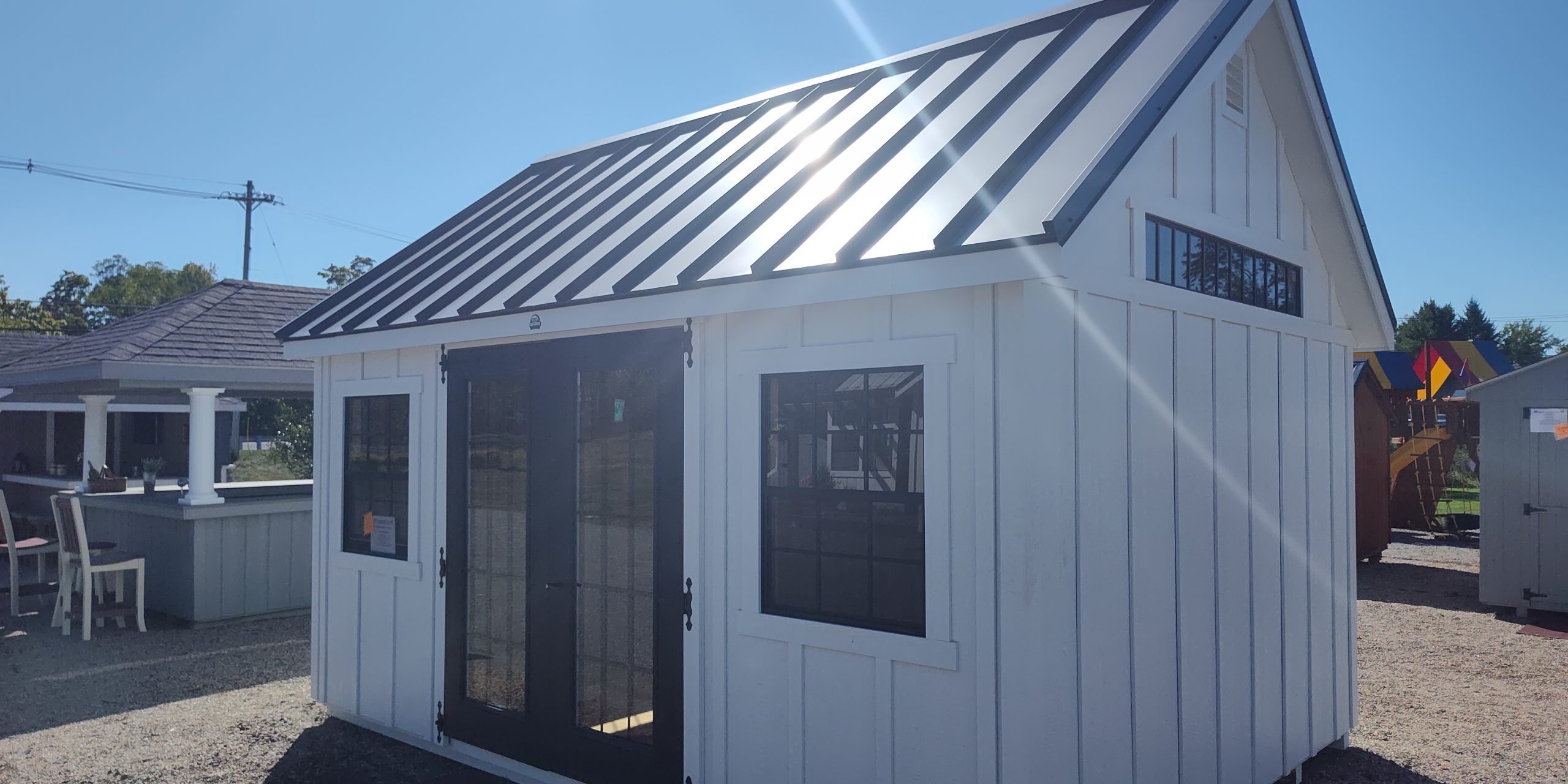
When investing in your outdoor living space, aesthetics and functionality are essential—but durability is just as important. New Jersey’s four-season climate, with its humid summers, icy winters, and coastal salt air, can take a toll on sheds, pavilions, pergolas, playsets, and other exterior structures. That’s why choosing weather-resistant outdoor structures is not just a smart decision, it’s a necessary one.
At Pleasant Run Structures, we specialize in crafting custom-built structures that do more than look beautiful. They’re engineered to stand up to the elements year after year, giving homeowners peace of mind and a greater return on investment.
Understanding the Value of Weather-Resistant Design
Outdoor buildings serve many purposes, from providing storage to creating entertainment spaces. But without weather resistance, even the most stylish structure can quickly degrade. Choosing a structure that’s built to endure moisture, temperature fluctuations, and UV exposure ensures that:
- You save money on repairs and replacements.
- The structure maintains its appearance for longer.
- You increase the overall value of your property.
Common Weather Challenges in New Jersey
Before selecting a structure, it’s important to understand the specific environmental challenges faced in this region:
- Heavy Snow and Ice: Roofs must be engineered to handle snow loads and prevent moisture infiltration.
- Summer Heat and Humidity: Materials must resist warping, swelling, and mold caused by heat and moisture.
- Coastal Salt Air: For homes near the Jersey Shore, salt corrosion is a major threat to hardware and finishes.
- Wind and Rainstorms: Secure anchoring and water-resistant materials protect against storm damage.
Pleasant Run Structures offers solutions tailored to these conditions, ensuring lasting durability across all seasons.
Best Materials for Weather-Resistant Outdoor Structures
1. Pressure-Treated Pine
- Treated to resist rot, fungus, and insects
- Budget-friendly and easy to customize with stains or paint
- Requires periodic sealing to maintain resistance
Best For: Sheds, garages, and entry-level pavilions
2. Western Red Cedar
- Naturally weather-resistant and aromatic
- Resists shrinkage, warping, and decay
- Develops a silvery patina if left untreated
Best For: Pergolas, cabanas, and garden structures with natural beauty
3. Vinyl-Clad Wood
- Combines the strength of wood with the durability of vinyl
- Virtually maintenance-free and easy to clean
- Offers a crisp, modern look with high weather resistance
Best For: Pavilions, pool houses, and backyard structures with high exposure
4. Engineered Composite Materials
- Designed to resist water, UV rays, and pests
- Doesn’t split or fade like untreated wood
- More expensive, but ultra-low maintenance
Best For: High-traffic areas or coastal properties
5. Galvanized and Stainless Steel Hardware
- Essential for withstanding rain and salt air
- Resists rust and corrosion
- Supports structural integrity over time
Pro Tip: Ask about the hardware used in your structure; it’s just as important as the frame.
Types of Weather-Resistant Outdoor Structures to Consider
1. Storage Sheds
A properly built shed can protect valuable tools, seasonal decorations, and lawn equipment from moisture and mildew.
Features to Look For:
- Raised floors or concrete pads
- Sealed doors and windows
- Gable or saltbox roofs with strong trusses
- Vents for airflow without inviting moisture
2. Custom Pool Houses
New Jersey pool owners know that summer storms can roll in quickly. A pool house built with the right materials keeps towels, furniture, and electronics safe and dry.
Consider:
- Vinyl siding for weather protection
- Galvalume metal or architectural shingle roofs
- Drip edges and flashing to prevent leaks
3. Pergolas and Pavilions
These structures are exposed year-round, making material choice critical. Cedar or vinyl-clad pergolas can withstand UV rays, humidity, and even snow accumulation when properly maintained.
Enhancements:
- Waterproof canopies
- Polycarbonate or shingle roof covers
- Anchored posts on concrete footers
4. Custom Garages and Workshops
Garages should offer more than just parking—they should protect from the elements. Whether you store your car, tools, or hobby equipment, a weather-resistant design is key.
Look For:
- Insulated doors
- Water diversion systems around the foundation
- Durable siding like LP SmartSide or vinyl
5. Children’s Play Structures
Safety and longevity go hand in hand. Treated or naturally weather-resistant woods like cedar ensure that playsets stay strong and splinter-free.
Safety Features:
- Rounded edges and smooth finishes
- UV-resistant slides and swings
- Rot-proof support beams and brackets
Design Considerations for Maximum Durability
Roof Pitch and Drainage
A steep roof pitch helps shed snow and rain. Incorporating gutter systems or drip edges prevents water from pooling and causing rot.
Foundation and Anchoring
Whether it’s a shed or a pavilion, proper anchoring keeps your structure stable during windstorms. Concrete pads or gravel bases reduce moisture buildup at the base.
Ventilation
Good airflow prevents condensation inside sheds and pool houses. Vents and windows that can be opened and secured provide necessary cross-ventilation.
Finish and Paint
Choose finishes specifically rated for exterior use. Stains with UV blockers and sealants prevent fading and water damage over time.
Maintenance Tips to Extend the Life of Your Structure
Even the best-built structures benefit from occasional upkeep. Here’s how to keep yours looking and functioning like new:
- Clean surfaces annually with a hose and mild detergent
- Inspect for rot or damage after major storms
- Reseal wood every 2 to 3 years
- Check roof shingles and siding for signs of wear
- Lubricate hardware like hinges and locks to prevent corrosion
Seasonal care adds years of life and enhances the look and safety of your investment.
Why Choose Pleasant Run Structures?
At Pleasant Run Structures, we know that your outdoor space is an extension of your home. Our team doesn’t just sell sheds or pergolas—we create long-lasting structures tailored to your needs, budget, and environment.
Here’s what sets us apart:
- Locally sourced and weather-tested materials
- Fully customizable designs for every yard size
- Professional delivery and installation services across New Jersey
- Access to trusted Amish builders known for craftsmanship and integrity
- Friendly consultation and planning support at every step
With over two decades of experience serving New Jersey homeowners, we take pride in delivering solutions that balance beauty, function, and durability.
Add Function and Beauty That Lasts
Whether you’re building a relaxing backyard retreat or adding secure storage to your property, weather-resistant outdoor structures provide long-term protection and timeless appeal.
From design and materials to installation and care, Pleasant Run Structures helps you make the right choice. Our team is here to ensure that your outdoor investment stands strong through every season, and looks great doing it.
Frequently Asked Questions About Weather-Resistant Outdoor Structures
What makes an outdoor structure weather-resistant?
A weather-resistant outdoor structure is designed and built with materials that can withstand environmental stressors like rain, snow, UV rays, humidity, and temperature fluctuations. This includes treated wood, vinyl, composite materials, and galvanized or stainless steel hardware. Proper installation methods, such as sealed joints, elevated bases, and sloped roofs, also play a critical role.
Are vinyl or wood structures better for weather resistance?
Both materials can be excellent choices, depending on your preferences:
- Vinyl: Maintenance-free, resistant to moisture and insects, and ideal for humid or coastal areas.
- Wood (like cedar or pressure-treated pine): Naturally beautiful and strong, but may require sealing or staining to preserve weather resistance over time.
Pleasant Run Structures offers both options and can help you decide which is best for your environment and style.
How long do weather-resistant outdoor structures typically last?
With proper care, weather-resistant outdoor structures can last anywhere from 15 to 30 years or more. Vinyl and composite models often require less maintenance and last longer, while wood structures can also offer excellent longevity when regularly sealed and maintained.
Do I need a building permit for a backyard structure in New Jersey?
In many cases, yes, especially for larger structures like garages, sheds over 100 square feet, or pool houses with plumbing or electricity. Permit requirements vary by township, so we always recommend checking with your local building department. Pleasant Run Structures can guide you through this process and provide the necessary documentation.
Can weather-resistant structures be customized?
Absolutely. At Pleasant Run Structures, every product we offer, whether a shed, pergola, pavilion, or playset, can be tailored to your specific needs. You can choose:
- Roofing style and pitch
- Materials and finishes
- Trim and accent details
- Window and door placement
- Interior layout for larger structures
Customization doesn’t mean compromising durability; our team ensures every custom design still meets high standards for weather resistance.
How do I maintain my structure year-round?
Here are some tips for ongoing care:
- Clean your structure with a soft brush or hose once a season
- Inspect for signs of wear after severe weather
- Re-seal wood every 2–3 years (for cedar or pressure-treated pine)
- Check hardware for rust and tighten loose connections
- Clear debris from roofs and gutters to avoid moisture buildup
Following these steps will maximize the lifespan of your weather-resistant outdoor structure.
Can I install a weather-resistant structure near a pool?
Yes, and it’s highly recommended. Structures placed near pools face consistent humidity and water exposure. Materials like vinyl, composite, or sealed cedar are ideal for resisting rot, warping, or corrosion in poolside environments. Pool houses, cabanas, and shade pergolas can be designed specifically for aquatic use.
What’s the difference between a standard outdoor structure and a weather-resistant one?
The difference lies in the materials, construction techniques, and hardware used. Weather-resistant structures are specifically built with outdoor exposure in mind. This includes:
- Treated or rot-resistant materials
- UV-resistant finishes
- Waterproof adhesives and seals
- Anchoring systems to resist wind
- Rust-proof hardware
At Pleasant Run Structures, all our designs prioritize these elements so your structure is built to last, not just to look good.
Ready to Upgrade Your Outdoor Space?
Explore our full line of weather-resistant outdoor structures on our website or contact us for a free design consultation. Discover why New Jersey homeowners trust Pleasant Run Structures for sheds, garages, pergolas, and more, built to last, built for you.
Visit Pleasant Run Structures to learn more and get started today.


 Great For Yards
 Great For Yards
 Great For Yards
 Great For Yards