As temperatures begin to drop, many homeowners turn their attention toward preparing their property for winter. One often-overlooked area of seasonal preparation is the backyard storage shed. These versatile structures can provide crucial protection for tools, equipment, and other valuable belongings during the colder months. But not all sheds are equally up to the task. At Pleasant Run Structures, we offer winter-ready backyard storage sheds that are designed to stand up to snow, ice, and freezing temperatures while keeping your belongings safe and dry.
Why Winter-Ready Sheds Matter
Standard outdoor sheds may serve adequately during the warmer months, but winter weather brings unique challenges. Rain turns to snow, mild temperatures plummet, and high winds become more frequent. Without a shed that’s designed or outfitted for the winter season, your belongings can be exposed to moisture, pests, and freezing temperatures. Worse, an improperly maintained or poorly constructed shed can suffer structural damage.
A winter-ready shed not only protects your property but also ensures that your tools, machinery, or seasonal items remain usable and accessible throughout the season.
Key Features of a Winter-Ready Backyard Storage Shed
To ensure your shed is equipped to handle winter weather, consider the following features:
1. Insulated Construction
Insulation helps regulate interior temperatures, preventing freeze damage to tools, liquids, or gardening supplies. It also minimizes condensation, which can lead to mold and mildew.
2. Weatherproof Materials
Sheds made from high-quality materials like pressure-treated wood, vinyl, or composite siding offer better resistance to snow, rain, and ice. Roofing materials such as architectural shingles or metal help withstand winter’s harshest elements.
3. Sturdy Foundation and Flooring
A level, elevated foundation keeps water and ice from seeping into the shed. Floors should be moisture-resistant and properly sealed.
4. Tight Seals and Ventilation
Weather stripping around doors and windows prevents drafts and water intrusion. At the same time, ventilation is critical to prevent moisture buildup inside.
5. Proper Roofing Pitch and Snow Load Capacity
Steep-pitched roofs allow snow to slide off, reducing risk of collapse. Confirm that your shed’s roof meets local snow load codes, especially in northern climates.
Preparing Your Shed for the Winter Season
Even if your shed was designed to withstand winter, some preparation is essential to ensure it performs at its best. Here are practical steps to winterize your backyard storage shed:
Inspect and Repair
- Check for roof leaks, cracked siding, or damaged doors and windows.
- Seal any gaps with caulk or weather stripping.
- Replace loose or missing shingles.
Clean and Organize
- Clear out debris, sweep the floors, and remove cobwebs.
- Take inventory of stored items and organize them for accessibility.
- Remove any food sources that might attract pests.
Protect Stored Items
- Store liquids in insulated containers to prevent freezing.
- Hang tools or place them in bins to keep them off cold floors.
- Use shelves to keep items dry and prevent clutter.
Treat Wood Surfaces
- Apply a weather-resistant sealant or stain to wooden structures.
- Repaint exterior surfaces if needed to prevent moisture damage.
Secure the Structure
- Lock all doors and windows.
- Anchor the shed if it is not already secured to a foundation.
- Trim nearby branches that could fall under snow or ice weight.
Top Winter Storage Shed Uses
A winter-ready backyard storage shed can be useful for more than just tool storage. Consider these winter-specific applications:
Snow Equipment Storage
Snow blowers, shovels, ice melt, and plows can be stored safely and accessibly.
Holiday Decorations
Keep outdoor holiday lights, wreaths, and extension cords dry and organized.
Firewood Storage
With proper ventilation, sheds can be used to keep firewood dry and ready to use.
Garden Equipment and Supplies
Protect hoses, pots, fertilizers, and soil additives from freezing and degradation.
Winter Workshop Space
Insulated sheds can double as a workspace for DIY projects during the colder months.
Benefits of Choosing a Winter-Ready Shed from Pleasant Run Structures
At Pleasant Run Structures, our sheds are designed with all-season durability in mind. We provide:
- Custom-built options with insulation and sealed interiors
- Pressure-treated and weather-resistant materials
- Durable floors and secure doors
- Expert advice on site prep and maintenance
- Quick delivery timelines to ensure you’re ready before the first snowfall
Whether you need a compact garden shed or a large multi-purpose building, we help ensure your structure will perform year-round.
Maintenance Tips for Winter and Beyond
Consistent care extends the lifespan of your backyard shed and ensures it remains functional throughout all seasons.
- Clear snow from the roof and around the shed to prevent water damage.
- Monitor for signs of pests or rodents.
- Lubricate door hinges and locks to prevent freezing.
- Check for signs of rot or mildew monthly.
- Ventilate the shed on milder days to release trapped humidity.
Key Considerations When Purchasing a Winter Shed
If you’re in the market for a new storage shed and want one that will withstand the winter months, keep these points in mind:
- Size: Ensure the shed is large enough for both year-round and seasonal storage.
- Material: Look for wood with sealants or maintenance-free vinyl and composite materials.
- Roof Type: Gable and saltbox roofs shed snow better than flat roofs.
- Custom Features: Insulation, interior lights, shelving, and reinforced flooring.
- Foundation: Concrete slabs, gravel pads, or pressure-treated wood runners provide elevation and drainage.
FAQ: Winter-Ready Backyard Storage Sheds
Can I heat my backyard shed in the winter?
Yes, if your shed is insulated and equipped with proper ventilation, you can use electric space heaters or propane heaters safely. Always follow manufacturer guidelines.
What is the best shed roof design for snow?
A steep gable or saltbox roof is ideal for winter because it encourages snow to slide off rather than accumulate.
How do I keep tools from rusting in winter?
Keep your shed dry and ventilated. Store metal tools off the ground, apply light oil to metal surfaces, and use moisture-absorbing packets.
Can vinyl sheds handle cold temperatures?
Yes, high-quality vinyl sheds are engineered to withstand cold temperatures and resist cracking, especially those designed for all-season use.
Is it too late to winterize my shed?
No. Even if snow has started, you can still make repairs, add insulation, and organize contents to prevent damage and make the most of your shed.
Prepare Now for a Trouble-Free Winter
A winter-ready backyard storage shed is more than a seasonal convenience; it is a smart investment that protects your equipment, simplifies property maintenance, and adds year-round functionality to your yard. Whether you already have a shed or are planning to install one before the first frost, the steps outlined above can help you maximize its usefulness and longevity.
Visit our website to explore our winter-ready storage solutions or speak to a shed specialist today.




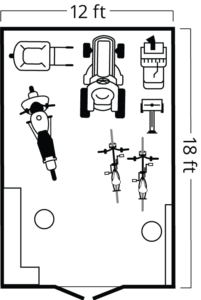
 Great For Yards
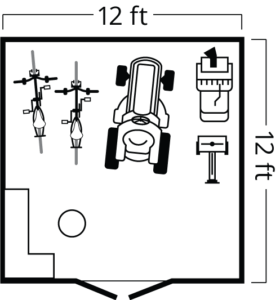
 Great For Yards
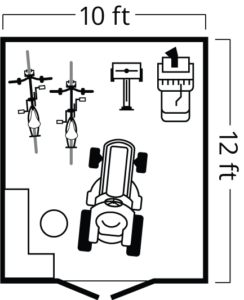
 Great For Yards
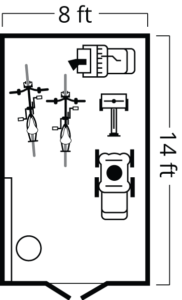
 Great For Yards