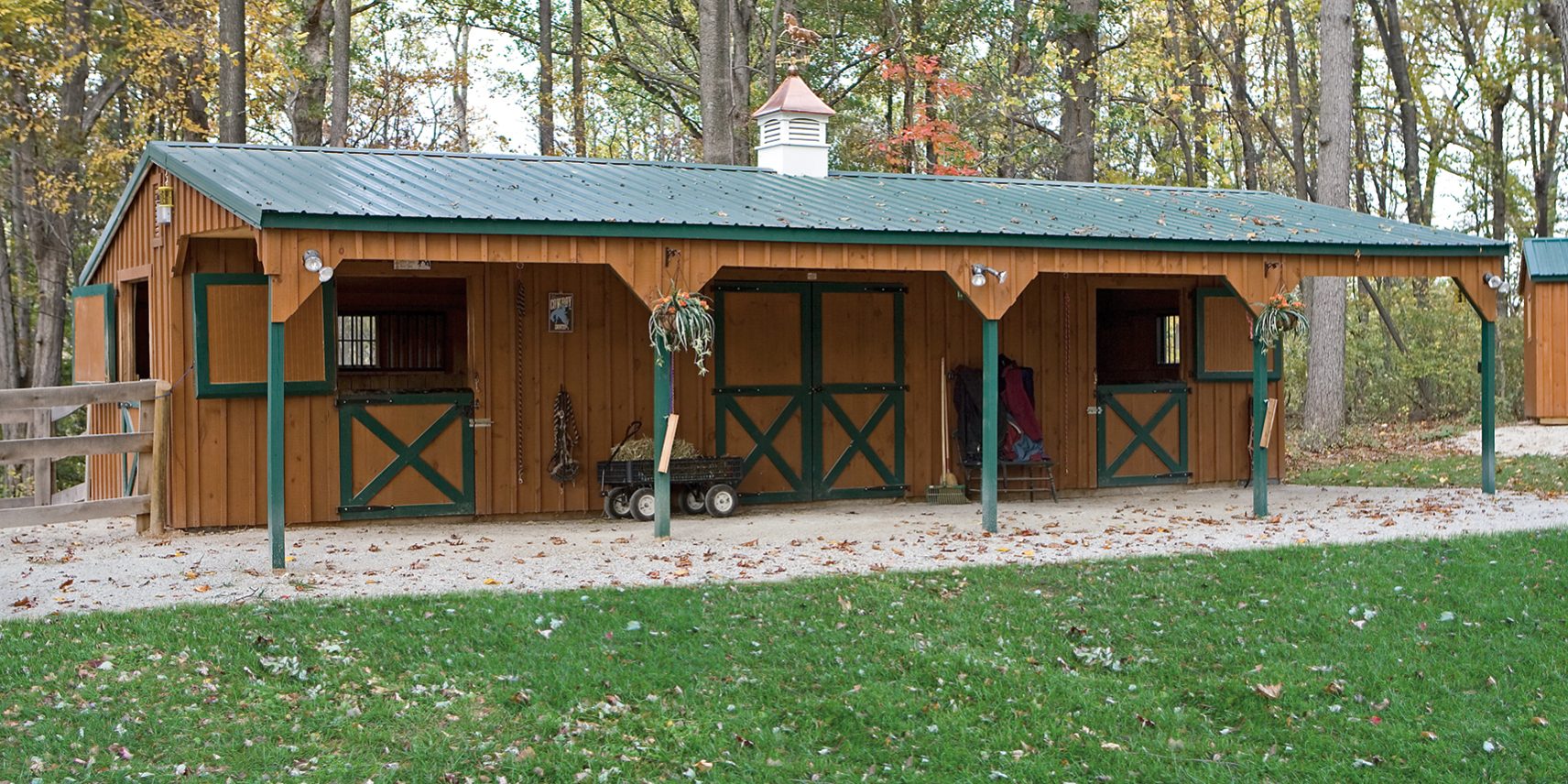
The construction of horse stables and animal shelters is a significant investment in the long-term care, safety, and comfort of animals. Whether designing equestrian facilities, rehoming centers, or shelters for various species, careful planning, sustainable material selection, compliance with building codes, and proper budgeting for renovation and expansion are crucial. This guide offers professional insights into custom stable design, eco-friendly building practices, and cost-saving strategies. It addresses key topics such as planning and design logistics, sustainable building materials, and practical renovation steps that improve functionality and animal welfare, all while meeting strict safety standards and tailoring facilities to the unique needs of their inhabitants.
What Are the Key Steps in Horse Stable Construction?
Effectively, stable construction begins with thorough planning and design that meet regulatory standards and equine needs. The process starts with a site evaluation that considers drainage, sunlight, and wind patterns. Next, a blueprint is developed to maximize functionality while observing building codes regarding stall size, aisle width, and ventilation.
Builders emphasize safety by incorporating accessibility features and emergency exits and planning for future expansion. Project management tools such as timelines, budgets, and material lists are used to track progress. Engineers and architects work with horse management experts to select durable finishes and materials, using computer simulations and inspections to confirm structural resilience. Real-world examples, like converting traditional barns into modern, safer stables, demonstrate how historical practices and modern technology can integrate for optimal design.
How to Plan and Design a Custom Horse Stable?
Custom stable design requires balancing artistic vision with practical utility. It typically starts with a consultation between clients and experienced architects to determine the number of horses, stall dimensions, and specific management practices. Detailed blueprints are drawn, focusing on efficient layouts with proper ventilation, lighting, and waste management systems. Features such as non-slip flooring and gable roofs are incorporated to enhance safety during inclement weather.
Modern design tools help simulate natural light and airflow, which can lead to energy savings. Sustainability is key; designers often integrate solar panels, rainwater harvesting systems, and natural insulation materials, using reclaimed wood and recycled steel to lower operational costs and environmental impact. Flexible design models ensure the facility can later be expanded as needs evolve, while automation and climate control technology further enhance daily operations.
Which Sustainable Materials Are Best for Stable Construction?
Sustainable construction favors renewable resources like reclaimed wood and recycled steel. Reclaimed wood provides durability, natural insulation, and a nostalgic aesthetic, while recycled steel offers strength and corrosion resistance. These materials reduce the carbon footprint and create healthier indoor environments for horses.
Other eco-friendly options include insulated concrete forms and responsible composites that improve thermal efficiency and lower energy costs. Natural finishes, such as lime-based plasters and water-based paints with low-VOC emissions, keep interiors non-toxic. Utilizing locally sourced materials also cuts transportation emissions and supports the local economy. Studies indicate that stables built with green materials can reduce maintenance costs by around 30% while significantly improving overall animal welfare.
What Are the Building Code Requirements for Horse Stables?
Compliance with building codes is essential to ensure safety and legal approval. Codes dictate specifications related to structural integrity, fire safety, and accessibility. Typical requirements include stall dimensions that allow free movement, proper aisle widths, and adequate space for storage and cleaning equipment. Regulations also require suitable fire suppression systems and both natural and artificial lighting to create a safe, efficient environment.
Strict adherence to sanitation protocols helps prevent contamination and disease. Building inspectors verify that every component from electrical installations to mechanical systems meets current standards, ensuring the facility is both safe and efficient.
How Is Professional Construction and Installation Managed?
Professional construction involves coordinated project management with architects, engineers, and specialized contractors. The process starts with a well-defined scope from site preparation to finishing touches and includes daily meetings and progress reports to ensure milestones are met on schedule and within budget. Advanced scheduling software aids in resource allocation.
Quality assurance is achieved through periodic inspections and third-party reviews. Lean construction techniques help reduce waste and optimize material use. In one project, a facility reduced build time by 20% by integrating modular elements. Post-construction, system testing for climate control and lighting, along with staff training for ongoing maintenance, ensures that the facility remains operational and durable.
What Are the Best Animal Shelter Design Ideas for Different Needs?
Animal shelter design must address diverse needs across species. For horses and large animals, features like steep, ventilated roofs and abundant natural light are essential. Shelters for smaller animals such as cats require divided spaces with controlled climates.
Innovative designs often include modular units that can be reconfigured based on changes in animal populations or species-specific needs. Natural elements such as indoor courtyards and outdoor runs improve welfare and enhance staff efficiency. Designers use recycled plastics and reclaimed wood to create durable, easy-to-clean environments. Sound-dampening features, non-toxic finishes, and energy-efficient systems, including solar-powered ventilation and LED lighting, contribute to shelters that are both functional and inviting, which can lead to higher adoption rates.
How to Design Shelters for Various Animal Types?
Tailoring shelter design starts with understanding the unique needs of each species. Horse stables require ample space, quality ventilation, and non-slip flooring, while shelters for cats and dogs must emphasize security, temperature control, and ease of maintenance.
Veterinary guidelines help set design parameters for instance, poultry enclosures need careful attention to lighting and air circulation to avoid respiratory issues, while rescue dog shelters may include sound-dampening materials to minimize stress. Flexible floor plans and modular designs allow shelters to adjust as populations change, ensuring that each animal experiences minimal stress and maximum comfort.
What Features Improve Animal Welfare in Shelter Design?
Animal welfare improves with thoughtful design features. Proper ventilation prevents respiratory issues, while natural lighting helps regulate circadian rhythms and mood. Using non-toxic, easy-to-clean materials enhances hygiene and reduces disease risks. Temperature regulation systems, including insulated walls and energy-efficient heating and cooling, keep animals comfortable throughout the year.
Additional features like soundproof partitions reduce noise, and secure outdoor runs encourage physical exercise and mental stimulation. Strategic layouts separate high-traffic areas from quiet zones, helping reduce animal stress. Regular feedback from veterinary professionals ensures that these design choices continue to meet evolving welfare standards.
How Can Customization Enhance Shelter Usability?
Customization makes shelters more adaptable to specific operational needs and animal behaviors. Flexible layouts with interchangeable panels and modular walls allow spaces to be reconfigured quickly for quarantine, group housing, or individual isolation. Tailored feeding stations and water sources ensure optimal care for different species.
Technological integrations such as smart sensors monitoring temperature, humidity, and ammonia levels enable real-time management of the environment. Custom storage solutions and administrative layouts further streamline operations, making shelters more efficient and responsive to both current and future needs.
How Much Does It Cost to Build a Horse Stable?
Building costs for horse stables vary based on size, materials, and location. Typical construction costs range from $100 to $300 per square foot. This includes expenses for site preparation, structural framing, roofing, ventilation, and interior finishes, as well as permits and professional fees. Premium custom features and sustainable materials may raise costs but can also offer long-term savings through reduced maintenance and energy consumption.
Investing in quality construction may have higher initial costs but can result in lower maintenance expenses and improved durability over time. Detailed budgeting ensures every aspect, from structural integrity to aesthetics, is accounted for so that project managers can compare estimates and make informed decisions.
What Factors Influence the Cost of Horse Stable Construction?
Several factors affect construction costs. These include the overall size and complexity of the facility, the quality of materials used, and local labor rates. Advanced features such as climate control, fire suppression systems, and enhanced ventilation will increase costs. Site conditions like topography and soil stability also play a role, as do specialized features like additional storage or administrative areas.
Regulatory requirements and building code mandates may add further expense. A contingency fund of 10–15% is typically included to cover unexpected costs. A detailed project plan helps maintain transparency and manage costs effectively throughout the construction process.
How to Budget for Renovation and Expansion Projects?
Renovation and expansion projects require a careful assessment of existing conditions and future needs. Upgrading outdated systems such as flooring, lighting, and ventilation or modifying the layout to meet new building codes may be necessary. Expansion projects often involve structural integration with the existing facility.
A comprehensive budget should include detailed estimates for materials, labor, and professional fees, along with a contingency reserve for unexpected expenses. Although initial costs for energy-efficient upgrades may be higher, these investments often lead to long-term savings and increased facility value.
What Are the Top Eco-Friendly Animal Shelter Materials?
Eco-friendly materials such as reclaimed wood and recycled plastics are highly valued in shelter construction. Reclaimed wood offers natural insulation and aesthetic appeal, while recycled plastics provide durability and low maintenance for wall panels and roofing. Bamboo and eco-friendly composites further add to the sustainable options available.
Using locally sourced materials reduces transportation emissions and supports regional economies. Additionally, water-based low-VOC paints and non-toxic sealants maintain indoor air quality, making facilities healthier for animals and more cost-effective in the long run.
Why Choose Reclaimed Wood and Recycled Plastics?
Reclaimed wood and recycled plastics are popular choices due to their durability and environmental benefits. Reclaimed wood, salvaged from old structures, not only minimizes deforestation but also provides excellent thermal insulation. Recycled plastics resist rot, pests, and weathering better than traditional materials, leading to lower long-term maintenance costs. Both materials contribute to a reduced overall carbon footprint and help meet sustainable building goals without compromising performance or aesthetics.
How Do Locally Sourced Materials Impact Sustainability?
Locally sourced materials reduce transportation distances and related emissions, contributing to a lower carbon footprint. They are often better suited to the local climate and more likely to meet regional building codes. In addition, local sourcing supports regional economies, shortens lead times, reduces costs, and promotes a collaborative approach to sustainable construction.
What Are the Latest Innovations in Green Building for Shelters?
Recent green building innovations include modular building systems made from sustainable composites, energy-efficient LED lighting, solar panel installations, and geothermal heating and cooling. Smart systems, such as automated climate controls and sensor-based monitoring, help maintain optimal shelter conditions. Advanced rainwater harvesting and greywater recycling systems further reduce water consumption and utility bills, supporting a transition to more cost-effective and environmentally sustainable shelters.
How Can DIY Horse Barn Plans Help Save Costs and Customize Design?
DIY horse barn plans offer a cost-effective, customizable alternative to fully custom-built facilities. These plans provide detailed blueprints, step-by-step instructions, and material lists that empower owners to build or renovate stables while meeting professional design standards. They allow for modifications based on site layout, local codes, and animal welfare requirements, and can incorporate sustainable materials and energy-efficient systems. Many owners appreciate the hands-on approach and the ability to tailor the project to their unique needs while saving money.
What Are the Best Sources for Reliable DIY Stable Plans?
DIY stable plans are available from reputable sources including specialized equestrian websites, architectural plan repositories, and university extension programs. Many well-established equestrian organizations provide vetted plans that meet building code requirements and operational needs, complete with digital blueprints, instructional videos, and material lists. Customer reviews and local agricultural extension resources also offer valuable insights for successful DIY projects.
How to Adapt DIY Plans for Specific Site Conditions?
Adapting DIY plans to specific site conditions requires a careful site analysis and consultation with local experts. Factors such as soil type, drainage, sunlight exposure, prevailing winds, and water table levels determine necessary adjustments. Modifications may include changes to foundation design, roof pitch, or insulation requirements. Leveraging digital modeling software can help simulate performance, while insights from local builders ensure that the plan meets both economic and animal welfare standards.
What Tools and Skills Are Needed for DIY Stable Construction?
Essential skills for DIY stable construction include carpentry, measuring, and basic installation techniques. Key tools include power saws, drills, levels, measuring tapes, and equipment for handling heavy materials like reclaimed wood and recycled steel. Knowledge of local building codes and safety protocols is essential. Online tutorials, instructional videos, and local workshops provide valuable guidance, enabling DIY builders to manage projects effectively and overcome unexpected challenges.
How Do Renovation and Expansion Improve Existing Horse Stables and Shelters?
Renovations and expansions update aging facilities and adapt them to new needs. Upgrades may involve replacing old, non-slip flooring, improving ventilation for better air quality, or installing modern lighting to reduce energy consumption. These improvements extend the facility’s life and enhance animal comfort and safety. Expansion projects can increase capacity with additional stalls or exercise areas and improve overall operational efficiency through strategic layout redesigns.
When Is It Time to Renovate Your Stable or Shelter?
Renovation is necessary when a facility shows visible wear, recurring maintenance issues, or outdated design that no longer meets safety codes or animal welfare standards. Signs include water damage, poor ventilation, and inefficient space utilization. Regular professional inspections help identify these issues before they escalate, and changes in regulations may also prompt upgrades. Renovation protects the investment and can boost both functionality and property value.
What Are Common Renovation Upgrades for Safety and Functionality?
Common upgrades include installing non-slip flooring, enhancing ventilation and lighting systems, and incorporating modern climate control. Fire suppression systems, advanced drainage solutions, and smart building technologies also play a key role. These upgrades improve safety by reducing risks of injury and illness, while also extending the facility’s lifespan and operational efficiency.
How to Plan an Expansion to Accommodate More Animals?
Expansion planning begins with analyzing current facility capabilities and forecasting future needs. Key considerations include adding more stalls, improving storage for feed and equipment, and enlarging exercise areas to ensure each animal has adequate space. Early consultation with architects and animal care experts is crucial, and financial planning should account for materials, labor, permits, and potential disruptions. Phased expansion may be a practical option to gradually increase capacity while monitoring impact on animal care.
Why Choose Professional Builders for Horse Stables and Animal Shelters?
Professional builders bring specialized expertise, advanced materials, and state-of-the-art construction techniques that ensure robust, durable, and compliant facilities. They offer turnkey solutions that manage every project phase from design and permitting to construction and post-completion support. Their comprehensive project management, precise scheduling, and quality control minimize delays, reduce risks, and provide ongoing maintenance, ensuring the long-term success of the facility.
What Expertise Do Professional Builders Bring to Stable Projects?
Professional builders are experts in handling complex projects with a thorough understanding of equine management and animal behavior. Their experience in structural engineering and sustainable material sourcing enables them to create high-performing facilities that meet strict safety and accessibility standards. Their proven ability to anticipate potential issues, streamline workflows, and apply innovative design concepts translates into safer, more efficient, and cost-effective projects.
How Do Turnkey Solutions Simplify the Building Process?
Turnkey construction consolidates all project aspects under one contractor, simplifying communication and budgeting. This all-inclusive approach manages permits, scheduling, material procurement, and quality assurance, ensuring that every component conforms to building codes and safety standards. Turnkey solutions reduce construction timelines and operational disruptions, while post-construction support and maintenance guarantees provide added peace of mind.
What Client Support and Guarantees Are Typically Offered?
Many professional building firms offer comprehensive client support that includes warranties on workmanship and materials for a specified period, scheduled maintenance plans, and emergency repair services. Detailed construction documentation and user manuals for integrated systems, like automated climate controls, empower owners to manage their facilities efficiently. Personalized consultations for future expansion or upgrades further ensure that the facility remains operational at peak performance.
Frequently Asked Questions
Q: What are the key elements to consider when constructing a horse stable?
A: Essential elements include thorough site evaluation, adherence to building codes, appropriate stall sizes, proper ventilation, non-slip flooring, and sustainable material selection to ensure both safety and animal health.
Q: How can sustainable materials reduce the overall cost of a stable?
A: Eco-friendly materials such as reclaimed wood and recycled steel lower maintenance and energy costs over time while reducing the environmental impact of construction.
Q: What are the benefits of using turnkey construction services for animal shelters?
A: Turnkey services streamline the building process from design to completion, reduce timelines and cost overruns, and ensure full compliance with safety codes.
Q: How do DIY stable plans compare in cost and customization to professional builds?
A: DIY plans generally have lower initial costs and offer greater customization, but they require significant technical skills and come with more risks regarding compliance and durability.
Q: When should an existing stable be renovated or expanded?
A: Renovation is advised when significant wear, outdated codes, or inefficiencies are evident. Expansion is considered when increased capacity is needed due to growing animal numbers or new operational requirements.
Q: What innovations in green building are proving most effective in stable construction today?
A: Innovations include modular building systems, smart energy-efficient technologies like LED lighting and automated climate controls, rainwater harvesting systems, and the use of recycled, locally sourced materials.
Q: How can customization in shelter design improve animal welfare?
A: Customization allows designs to be tailored to the specific needs of different species by incorporating adjustable layouts, enhanced ventilation, natural lighting, and specialized enrichment features, all of which contribute to reduced stress and improved health.
This guide underscores the importance of meticulous planning, sustainable design, and expert project management in constructing horse stables and animal shelters. By integrating eco-friendly materials, modern technologies, and innovative design strategies, builders can create cost-effective facilities that significantly enhance animal welfare, operational efficiency, and long-term value.
A well-built stable or shelter is more than just a structure; it’s an investment in the health, comfort, and safety of your animals, as well as the productivity and peace of mind of everyone who cares for them. Choosing the right partner to plan and build your facility can make all the difference in ensuring durability, functionality, and long-term performance, while keeping your unique requirements and budget in mind.
At Pleasant Run Structures, we take pride in delivering customized, high-quality stables, barns, and shelters that meet the highest standards of craftsmanship and sustainability. Our experienced team works closely with you from concept to completion, so every detail reflects your vision and your animals’ needs.
If you’re ready to create a reliable, beautiful, and functional structure that stands the test of time, reach out to Pleasant Run Structures today — let’s build something exceptional together!



 Great For Yards
 Great For Yards
 Great For Yards
 Great For Yards