Custom sheds and workshops offer a unique blend of functionality and aesthetic appeal by transforming unused spaces into efficient work areas and storage solutions. Homeowners can maximize their property’s potential with tailored storage, improved organization, and dedicated creative spaces. This article reviews benefits, styles, materials, design processes, construction services, cost factors, and builder selection to help you design a shed or workshop that meets your specific needs while elevating your property’s value.
Key Takeaways
- Custom sheds and workshops boost organization with bespoke storage solutions.
- They provide dedicated spaces that enhance productivity and creativity.
- A variety of styles, from traditional wood to modern metal, ensure designs meet different climates, aesthetics, and functions.
- The design process emphasizes personalization, permit acquisition, and proper site preparation.
- Cost factors include materials, size, customization, and local builder consultations.
What Are the Benefits of Custom Sheds and Workshops for Homeowners?
Custom sheds and workshops reduce clutter by providing specialized storage for tools, seasonal items, and recreational equipment. They also create dedicated spaces for hobbies or professional projects, enhancing focus and productivity. A personalized shed or workshop not only adds practical value but may also increase overall property value, making it a smart long-term investment.
How Do Custom Sheds Improve Home Storage and Organization?
By incorporating adjustable shelving, built-in cabinets, and multi-tiered storage, custom sheds meet your specific needs and help reduce clutter. Added features like ventilation systems and security locks ensure that items are stored safely and remain in good condition, while design elements blend with your home’s overall look.
Why Choose a Custom Workshop for Your Home Projects?
A custom workshop provides an ideal environment for crafts, DIY projects, or professional work. With customizable layouts, enhanced lighting, and climate control, these spaces help organize tools and materials, reduce setup time, and boost productivity. They serve as both functional workspaces and relaxing retreats for inspiration.
What Makes Custom Sheds and Workshops a Smart Investment?
Custom structures enhance home functionality and add resale value. They support better organization and can evolve with changing lifestyle needs, often featuring energy-efficient improvements and durable construction. The initial investment is balanced by gains in productivity and home appeal.
Which Types and Styles of Custom Sheds and Workshops Are Available?
Homeowners can choose from a variety of designs, ranging from rustic wooden sheds to modern metal builds. Whether you need a garden storage shed, a workshop for woodworking, or an art studio, there are options with features like skylights, integrated workbenches, and efficient climate control systems tailored to your specific needs.
What Are the Most Popular Shed Styles for Homeowners?
- Barn-Style Sheds: Featuring large doors, pitched roofs, and rustic finishes, these sheds offer traditional charm and ample storage.
- Modern Minimalist Sheds: With sleek lines and low-maintenance materials such as metal or composites, these include a contemporary design ideal for practical outdoor storage.
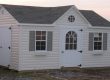
- Cottage-Inspired Sheds: With decorative trim and shingle roofs, these blend with landscaped gardens and provide cozy spaces for creative pursuits.
How Do Workshop Designs Vary for Different Uses?
Workshops can be tailored to specific tasks: woodworking spaces often include reinforced benches and dust collection, art studios may focus on open layouts with abundant natural daylight, and automotive workshops emphasize durable flooring and specialized storage solutions. Custom layouts ensure optimal safety and efficiency.
How Can You Choose the Right Size and Layout for Your Shed or Workshop?
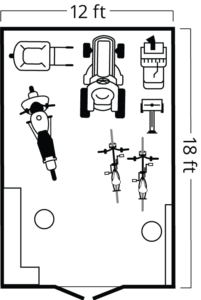
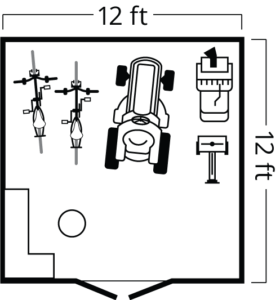
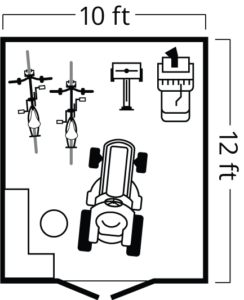
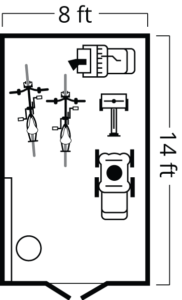
Measure your available space and define the primary functions your structure must serve. A well-planned layout will designate areas for storage, workbenches, and equipment. Consulting with a design expert can help maximize space while considering door placement, windows, and utilities such as electricity and insulation.
What Are the Best Materials for Building Custom Sheds and Workshops?
Selecting materials depends on climate, use, and maintenance preferences. Common options include: – Wood: Offers a warm, traditional look and high customizability, though it requires regular upkeep. – Metal: Provides durability, low maintenance, and resistance to pests and adverse weather. – Composite: Combines aesthetic warmth with strength and low maintenance, often at a higher initial cost, making it an eco-friendly option.
How Do Wood, Metal, and Composite Materials Compare for Sheds?
Each material offers unique benefits: – Wood: Traditional appearance with custom finishes; maintenance is needed to prevent rot and insects. – Metal: Durable with minimal upkeep but may give a more industrial look. – Composite: Merges qualities of wood and metal with high durability and minimal maintenance while being environmentally friendly.
Which Materials Are Best for Workshop Durability and Climate Control?
For consistent indoor environments, metal and composite materials are preferred. Metal structures can incorporate insulation and reflective coatings for energy efficiency, while composites better manage temperature fluctuations, ensuring stable climates for sensitive projects.
Are Sustainable and Eco-Friendly Materials Available for Custom Builds?
Yes. Many builders now offer responsibly sourced wood, recycled metal, and innovative composites produced from reclaimed materials. Sustainable choices help reduce environmental impact while meeting modern construction and aesthetic standards.
How Does the Custom Shed and Workshop Design Process Work?
The design process begins with a consultation to understand your needs, followed by drafting initial blueprints that incorporate personalized features. Homeowners work with designers to select materials, modify layouts, and integrate essential features. Once the plan is finalized, permits are obtained and site preparations are completed, ensuring a smooth construction process and a finished structure that meets both functional and aesthetic goals.
What Steps Are Involved in Designing a Custom Shed or Workshop?
Key steps include: – Consultation: Discussing needs, style, and intended use. – Concept Development: Creating sketches and layouts. – Material Selection: Choosing durable and visually appealing materials. – Blueprint Finalization: Developing detailed plans including dimensions and utility details. – Permit Acquisition: Ensuring all local regulations are met before construction.
How Can Homeowners Personalize Features Like Windows, Doors, and Electrical?
Customization options allow you to maximize daylight with specialized windows, choose door styles that match your design, and integrate advanced electrical systems for modern work demands. Virtual mock-ups help in visualizing personalized options before the final decision.
What Are the Requirements for Permits and Site Preparation?
Securing building permits and preparing the site are crucial. This includes leveling the ground, installing drainage systems, and constructing a stable foundation. Professional builders often assist to ensure compliance with local codes and a solid build process.
What Services Are Offered for Custom Shed and Workshop Construction?
Construction services can include everything from design consultation and material procurement to full installation and post-build maintenance. Many companies offer comprehensive packages that cover site assessment, foundation work, and even climate control installations, ensuring a reliable and durable outcome.
How Does Professional Shed Installation Work?
After a site assessment and finalized design, professional teams handle material delivery and assembly according to precise blueprints. Each phase is monitored to ensure safety, durability, and adherence to quality standards, minimizing on-site challenges.
What Site Preparation Services Are Available for Custom Builds?
Services include ground leveling, excavation, drainage installation, and foundation work. These preparations are essential to guarantee long-term structural integrity and prevent future issues.
How Can Homeowners Maintain and Repair Their Custom Sheds and Workshops?
Routine maintenance is offered through inspection packages that cover cleaning, repainting, and minor repairs. Annual or seasonal checks help maintain weatherproofing and functionality, with DIY tips available for minor upkeep like sealing or tightening fixtures.
How Much Do Custom Sheds and Workshops Cost?
Costs vary based on size, materials, design complexity, and customization. Initial quotes usually cover material, labor, permit fees, and site preparation. Financing options and free consultations help homeowners plan budgets effectively while balancing quality and functionality.
What Factors Influence the Cost of Custom Sheds and Workshops?
Key cost factors include: – Size and Layout: Larger or more complex designs require more materials and labor. – Materials: Options such as wood, metal, or composite have varying price points. – Customization: Features like insulation, advanced windows, and specialized electrical setups add to overall costs. – Site Preparation: Local excavation and foundation requirements also affect the price.
How Do Wood, Metal, and Composite Sheds Differ in Price?
Wooden sheds are generally moderate in cost but need more upkeep. Metal sheds offer long-term durability with potentially higher initial prices, while composite sheds combine aesthetics and durability at the highest upfront cost.
Are There Financing or Quote Options for Custom Builds?
Many providers offer financing and free detailed quotes to spread cost over time without compromising quality. Transparent cost breakdowns help homeowners make informed decisions.
Where Can Homeowners Find Custom Shed and Workshop Builders Near Them?
Local directories, online reviews, and referrals are reliable sources to find reputable builders. In regions such as New Jersey, companies like Pleasant Run Structures are known for quality, regulatory compliance, and customer satisfaction. Consultations and free quotes allow you to compare and select the best fit for your project.
How to Choose a Reliable Local Custom Shed Builder?
Evaluate builder certifications, past project portfolios, and warranty policies. Personal consultations, client references, and on-site visits of completed projects can help ensure you select a builder that meets your quality and regulatory standards.
What Questions Should You Ask Before Hiring a Shed or Workshop Builder?
Key questions include: – How long have you been in business and can you provide references? – What warranty and maintenance services are included? – Can you provide a detailed cost breakdown? – What is the expected timeline from design to completion? – How do you handle customization requests during construction?
How Can You Get a Free Quote or Consultation for Your Project?
Most providers offer free initial consultations that include a site visit and personalized recommendations. These sessions help clarify design options, cost estimates, and project timelines, enabling you to compare choices effectively.
Table: Comparison of Shed Materials
Below is a table summarizing key differences between wood, metal, and composite materials:
| Material | Aesthetic Appeal | Durability | Maintenance Requirements | Typical Cost Range |
| Wood | Traditional, warm | Moderate | Regular sealing and painting | Moderate |
| Metal | Modern, sleek | High | Low; occasional inspections | Higher initial, lower long-term |
| Composite | Versatile, eco-friendly | High | Minimal; resistant to weather | Highest upfront cost |
This table provides a quick reference for balancing design, durability, and maintenance in your custom shed or workshop project.
Custom sheds and workshops are smart investments that enhance your home’s functionality and visual appeal. They offer tailored storage and dedicated workspaces that boost productivity and add lasting value to your property. To get started, research trusted local builders, request a free consultation, and choose a design that meets both your practical needs and creative vision. Visit Pleasant Run Structures to explore custom sheds and workshops that bring your ideas to life.
Frequently Asked Questions
Q: What are the primary benefits of a custom shed for storage?
A: Custom sheds offer tailored storage solutions that reduce clutter and enhance organization with bespoke shelving, cabinets, and dedicated zones.
Q: How does a custom workshop improve productivity?
A: It provides an optimized layout with proper lighting and climate control, ensuring tools and materials are organized for maximum efficiency.
Q: Which materials are recommended for durability in custom builds?
A: Metal and composite materials are favored for their durability, low maintenance, and excellent performance in challenging weather conditions.
Q: Can I personalize features like windows and doors in my custom shed?
A: Yes, personalizing windows, doors, and electrical setups is a key part of the design process to ensure functionality and aesthetics match your style.
Q: How can I ensure my custom build complies with local regulations?
A: Hiring professionals for site preparation and permit acquisition is essential to meet all local building codes and regulatory requirements.




 Great For Yards
 Great For Yards
 Great For Yards
 Great For Yards