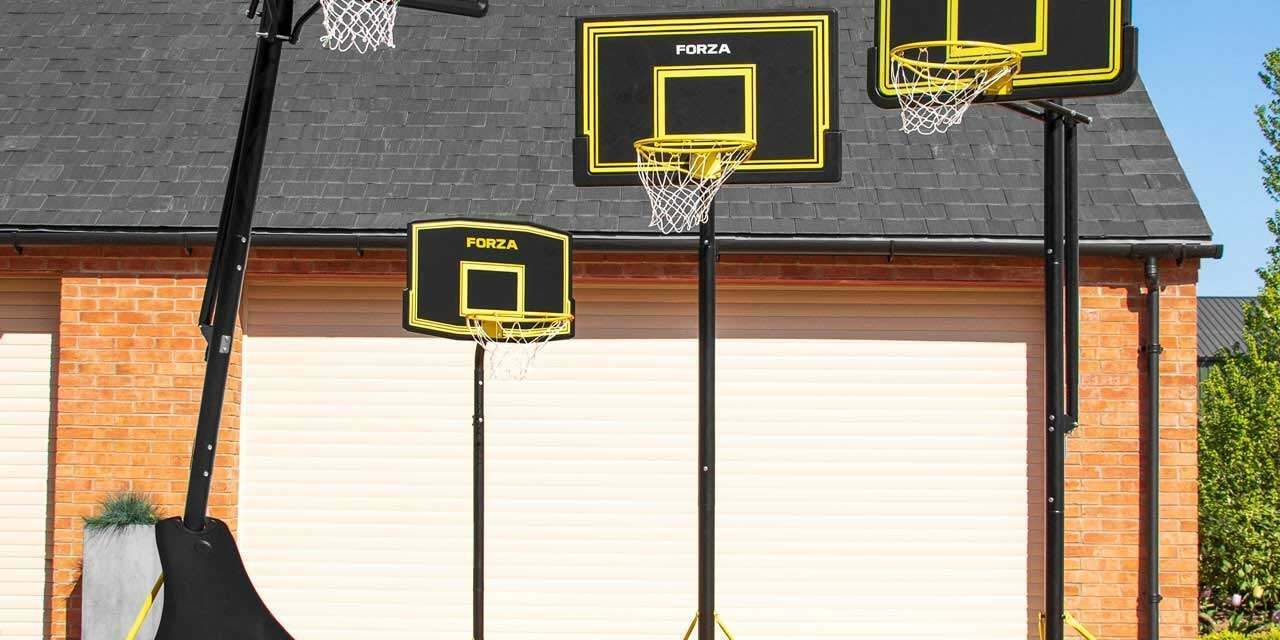
Basketball is more than just a game—it’s a lifestyle, a passion, and a great way to stay active while spending quality time with friends and family. Whether you’re training for the next big tournament or simply shooting hoops after dinner, having your own basketball setup at home is an investment in fitness, fun, and togetherness. With so many options available today, selecting the right basketball goals and systems for your driveway, backyard, or sports court can feel overwhelming. This comprehensive guide will help you understand your options, key features to look for, and how to choose a system that fits your needs and space.
Why Invest in a Home Basketball Goal System?
Adding a basketball system to your home brings a host of benefits for individuals and families alike:
- Encourages physical activity: Basketball is a great cardiovascular workout that improves coordination, endurance, and muscle tone.
- Fosters social interaction: Whether it’s kids playing with friends or family tournaments, basketball brings people together.
- Skill development: For young athletes, having a basketball goal at home allows for consistent practice and development.
- Adds property value and appeal: A well-installed goal can enhance a property’s recreational appeal, particularly if you have children or host frequently.
Whether you’re looking to inspire the next NBA star or simply want a healthy outlet for after-school energy, basketball goals and systems offer a smart, long-term investment.
Understanding Different Types of Basketball Goals and Systems
Not all basketball systems are created equal. Here’s a breakdown of the main types, so you can choose the one that best suits your space, skill level, and intended use.
1. Portable Basketball Systems
These are freestanding units that come with a weighted base (usually filled with water or sand). They’re easy to move, making them perfect for driveways or multi-use spaces.
Pros:
- Easy to relocate
- No permanent installation required
- Ideal for beginners or casual play
Cons:
- Less stable in rough play or high winds
- Typically smaller backboards and lighter materials
2. In-Ground Basketball Goals
These are permanently installed into a concrete base and offer superior stability and performance.
Pros:
- Highly stable and durable
- Professional feel and rebound performance
- Suitable for competitive or intense play
Cons:
- Requires installation and concrete base
- Not easily moved
3. Wall-Mounted Systems
These goals are mounted directly to an exterior wall or garage.
Pros:
- Space-saving design
- No need for pole or base
- Great for limited yard space
Cons:
- Fixed location
- Limited height adjustability
Key Components to Consider When Choosing a Basketball System
When comparing basketball goals and systems, focus on these essential features:
Backboard Material
The material of the backboard affects both performance and durability:
- Polycarbonate: Durable and affordable, but limited rebound quality.
- Acrylic: Offers better performance than polycarbonate but may scratch over time.
- Tempered Glass: The top choice for professional and competitive use—offers the best rebound and visual clarity.
Backboard Size
Backboard sizes range from 44” to 72”:
- 44”–54”: Ideal for beginners and smaller spaces
- 60”: Mid-range, suitable for intermediate players and families
- 72”: Regulation size, perfect for serious players and those seeking a gym-like experience
Rim Quality
Rims also come in various types:
- Standard Rim: Non-flex, often found on basic systems
- Compression Breakaway Rim: Springs are exposed; allows some flexibility for basic dunking
- Pro-Style Breakaway Rim: Springs enclosed, ideal for aggressive play and serious training
Height Adjustment Mechanism
Most modern basketball systems come with adjustable height features, allowing players of all ages and skill levels to enjoy the game.
- Telescoping Pole: Manual adjustment with pre-set heights
- Broomstick Adjustment: Requires a tool to move the rim up or down
- Crank Handle or Gas Assist: Smooth and precise adjustments, ideal for growing families or multi-age users
Installation Tips and Considerations
Whether you’re installing a system yourself or hiring professionals, proper setup is key to safety, performance, and longevity.
Location Matters
- Choose a flat, level area like a driveway, sports court, or paved backyard.
- Ensure there’s enough space for movement around the hoop.
- Check overhead clearance and avoid areas near windows or roofs.
Foundation for In-Ground Systems
- Follow the manufacturer’s instructions for hole depth and concrete mix.
- Allow concrete to cure fully (typically 48–72 hours) before attaching the pole and backboard.
- For enhanced stability, choose systems with anchor kits and rebar supports.
Safety Precautions
- Always install pole and rim padding, especially for younger players.
- Secure portable systems with proper weight and anchoring.
- Routinely inspect bolts, fasteners, and backboard integrity.
Maintenance and Care
Your basketball system will last longer and perform better with routine maintenance:
- Clean the backboard regularly with non-abrasive cleaners to prevent dust and grime buildup.
- Check bolts and hardware every few months for tightness.
- Inspect the rim for spring wear or rust, especially in humid or coastal areas.
- Protect the pole with a cover or UV-resistant paint to minimize rust or fading.
For portable systems:
- Drain and refill the base seasonally to prevent leaks or freezing.
- Move to a sheltered location in extreme weather or high winds.
Customization Options and Add-Ons
Once you’ve selected a system, consider these extras to enhance your playing experience:
- LED Hoop Lights: Extend your playtime into the evening.
- Pole Padding and Backboard Padding: Adds an extra layer of safety, especially for younger children.
- Rebound Net Systems: Helps return the ball after shots and protects property behind the hoop.
- Scoring Systems: Keep track of points during games with manual or digital scoreboards.
- Weather Covers: Protects the system from snow, rain, and UV exposure when not in use.
Choosing the Right Basketball System for Your Family
With so many options available, making the right choice depends on your family’s unique needs. Here’s a simple breakdown:
| Player Type | Recommended System | Features to Look For |
| Young Children | Portable or adjustable wall-mount | Low height, soft rim |
| Casual Family Play | Mid-range in-ground or portable | Adjustable height, acrylic backboard |
| Teenagers/Training | In-ground, tempered glass | Breakaway rim, regulation size |
| Aspiring Athletes | 72” in-ground, pro setup | Crank adjustment, pole padding, lighting |
Why Quality Matters
While it may be tempting to go with a low-cost basketball system, investing in quality will pay off over time. A high-quality basketball goal will:
- Last for years with minimal maintenance
- Provide realistic rebound and performance
- Stand up to weather and intense play
- Grow with your child’s skill level
By choosing a trusted brand and proven materials, you’re setting up a safe, reliable system that supports an active lifestyle.
Make the Smart Play with the Right Basketball Goal
Adding a basketball system to your home is more than just installing a hoop—it’s creating a space for fun, development, and connection. With the right basketball goals and systems, you can turn your driveway or backyard into a family hub for fitness, learning, and unforgettable memories.
Whether you’re investing in your child’s athletic future or simply looking to bring more activity into your daily routine, there’s a system out there that’s perfect for you. Evaluate your needs, consider your space, and choose a quality setup that delivers performance and safety.
Ready to get started?
Contact Pleasant Run Structures today to explore our full line of premium basketball goals and systems. We’ll help you choose the perfect fit, get it delivered quickly, and ensure you and your family are ready to play—right at home.


 Great For Yards
 Great For Yards
 Great For Yards
 Great For Yards